Living in Canggu — Complete Guide for Dubai Expats

Bali’s Fastest-Growing Expat Hub

Canggu Bali Echo Beach sunset with surfers - DubaiBali.com

What Is It Like Living in Canggu?

Living in Canggu offers Dubai expats Bali’s most dynamic and fast-growing residential experience, combining world-class surfing culture, premium co-working infrastructure, and an international community of entrepreneurs and families in a setting of rice paddies, black sand beaches, and tropical village lanes. Canggu’s sub-neighborhoods span upscale Berawa with premium restaurants and fitness studios, culturally vibrant Batu Bolong centered around the famous surf break, family-friendly Pererenan and Echo Beach with larger villa compounds, and emerging Seseh and Cemagi with spacious properties and lower rents. The area hosts Canggu Community School with Australian curriculum, multiple Montessori centers, and is within 30 minutes of five additional international schools. With monthly family living costs of USD 3,000-5,500 including villa, staff, school, and lifestyle expenses, Canggu delivers a quality of life that would require USD 15,000-20,000 monthly in comparable Dubai neighborhoods, making it the most popular Bali destination for Gulf-region professionals and their families.

Why Is Canggu the Most Popular Choice for Dubai Expats?

Canggu has emerged as Bali’s fastest-growing expat hub, attracting a younger, entrepreneurial demographic that includes a significant wave of Dubai professionals and families. The area combines Seminyak’s dining sophistication with Ubud’s laid-back surf culture, creating a unique lifestyle blend that no single Dubai neighborhood can match. Think of it as a tropical version of Dubai’s Al Quoz creative district merged with JBR’s beach lifestyle — but spread across rice paddies, surf breaks, and jungle-fringed lanes rather than glass towers and concrete promenades.

The transformation of Canggu from a quiet farming village to an international lifestyle destination has accelerated since 2020. World-class restaurants now sit alongside traditional Balinese temples, co-working spaces occupy converted rice barns, and organic smoothie cafes neighbor local warungs serving USD 2 nasi goreng. This eclectic mix creates a dynamic energy that resonates powerfully with Dubai expats who crave authentic cultural experiences but are not ready to sacrifice modern conveniences, reliable internet, or quality food and fitness options.

Canggu’s Sub-Neighborhoods Explained

Understanding Canggu’s distinct sub-neighborhoods is essential for choosing the right location. Berawa is the most developed area, closest to Seminyak, with upscale restaurants, fitness studios, and premium villas — ideal for families wanting the best of both worlds. Batu Bolong is the cultural heart of Canggu, centered around the famous surf break with cafes, boutiques, and a buzzing social scene along the main strip. Echo Beach and Pererenan offer more authentic Balinese village atmosphere with larger villa compounds, rice field views, and a quieter pace — perfect for families with young children. Seseh and Cemagi, further northwest, represent the new frontier with spacious properties, black sand beaches, and significantly lower rents for those willing to be 15-20 minutes from central Canggu.

What Schools and Education Options Exist Near Canggu?

Canggu benefits from having Bali’s highest concentration of international schools within a short driving radius. Canggu Community School (CCS) operates directly within the area, offering an Australian-based curriculum from Early Years through Year 12 with strong academic results and a nurturing multicultural environment. The school has rapidly expanded to meet demand from relocating families, with recent additions including a dedicated STEAM lab, performing arts center, and Olympic-size swimming pool. Annual tuition ranges from USD 8,000-18,000 depending on grade level.

Within a 30-minute drive, families access additional options: Bali International School (IB curriculum), Australian Independent School (AIS), and the acclaimed Green School in Ubud for those prioritizing sustainability education. Several Montessori and Waldorf-inspired early childhood centers operate in Canggu for younger children. The education landscape continues expanding, with new schools opening annually to serve the growing international community. Many Dubai families find that Canggu’s school options match or exceed the quality of Dubai international schools at 40-60% lower tuition fees.

How Much Does It Cost to Live in Canggu?

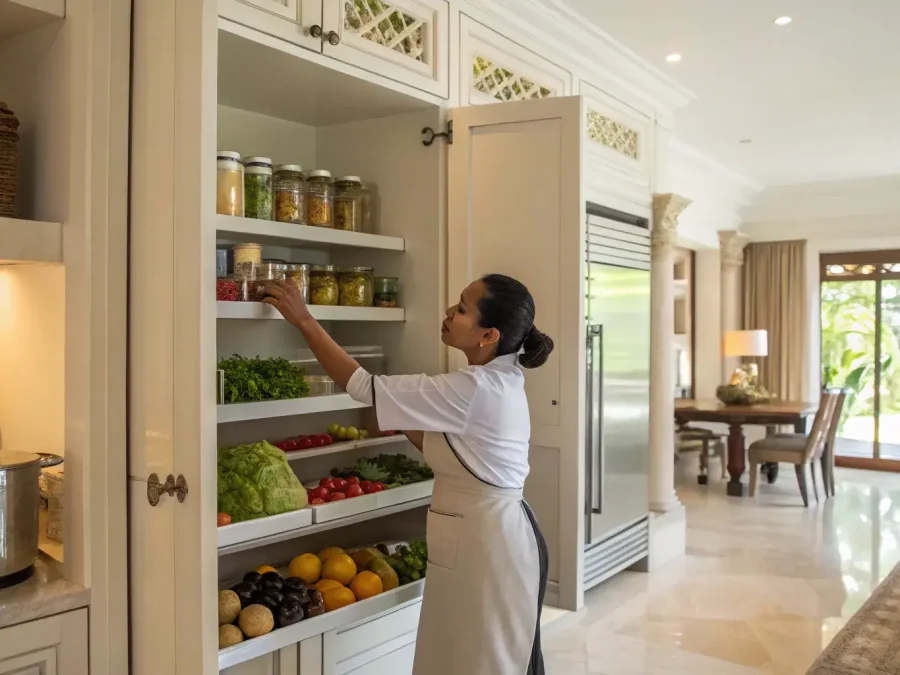
Canggu sits between Seminyak’s premium pricing and Ubud’s budget-friendliness, offering excellent value for families seeking a balanced lifestyle. A comfortable monthly budget for a family of four ranges from USD 3,000-5,500. Villa rentals for 3-bedroom properties with pool start at USD 1,200 in Pererenan and Echo Beach, rising to USD 2,500-4,000 for premium properties in Berawa with modern finishes and rice field views. Household staff (cook, cleaner, gardener) add USD 300-450 per month. Groceries from Canggu’s numerous organic stores and supermarkets average USD 400-600 for a family, while dining out at quality restaurants costs USD 8-20 per person for mains.

The fitness and wellness scene in Canggu deserves special mention for cost-conscious Dubai expats. Premium gym memberships at S2S CrossFit, COMO Fitness, or Finn’s Recreation Club cost USD 80-150 per month — versus USD 300-800 for equivalent Dubai facilities. Yoga classes at The Practice, Samadi, or Serenity Eco Guesthouse average USD 8-12 per session. Weekly acai bowls, cold-pressed juices, and farm-to-table brunches — the hallmarks of Canggu lifestyle — cost roughly half what comparable health-focused dining would cost in Dubai’s wellness cafes.

What Is the Surf and Beach Culture Like in Canggu?

Surfing defines Canggu’s identity and provides a community anchor that Dubai’s beach culture lacks. Batu Bolong — the beginner-friendly break where most expats learn to surf — creates a daily gathering point where parents chat between sets, children take lessons in the whitewash, and after-surf smoothie sessions become impromptu networking events. Echo Beach delivers more powerful waves for intermediate and advanced surfers, while Old Man’s beach bar has become Canggu’s unofficial social headquarters with live music, family barbecues, and sunset gatherings every evening.

Beyond surfing, Canggu’s beach culture includes sunset skateboarding at the new beachfront park, volleyball tournaments at La Brisa beach bar, stand-up paddleboarding in the calm morning waters, and beach horseback riding along Pererenan’s black sand stretch. Finn’s Beach Club and Atlas Beach Fest provide premium poolside experiences with international DJs, gourmet food, and family-friendly zones during the day — the closest Canggu comes to Dubai’s beach club culture, but with genuine ocean waves and tropical vegetation replacing artificial lagoons and desert landscaping.

How Is Canggu for Remote Work and Business?

Canggu is arguably Asia’s premier destination for remote professionals, and this infrastructure directly benefits relocating Dubai business owners and employees. Dojo Bali, the pioneering co-working space, offers dedicated desks, private offices, and meeting rooms with enterprise-grade internet, surrounded by a tropical garden with pool access between focused work sessions. Outpost Canggu provides a more corporate-oriented environment with soundproof phone booths and video conference rooms. Newer spaces like Tropical Nomad and Kumpul bring niche offerings including podcast studios, creative labs, and pitch practice rooms.

The timezone advantage is significant: Canggu’s GMT+8 position means your Dubai morning starts at noon local time, allowing a full surf session or gym workout before connecting with Gulf-based teams. For professionals serving Asian markets (increasingly common for Dubai-based businesses), the overlap is even better. Fiber internet speeds of 50-100 Mbps are standard in Canggu’s newer developments, with 4G and 5G mobile coverage providing reliable backup. The combination of world-class lifestyle and professional infrastructure is precisely why Canggu attracts more Dubai relocators annually than any other Bali neighborhood.

Frequently Asked Questions

Is Canggu getting too crowded and overdeveloped?

Canggu has grown rapidly, and central areas like Batu Bolong can feel busy during peak season. However, the greater Canggu area is expansive, and neighborhoods like Pererenan, Seseh, and Cemagi retain a peaceful village character with abundant green space. Smart location choice within Canggu is key — our relocation team helps families identify sub-neighborhoods that match their desired balance of convenience and tranquility, avoiding the tourist-heavy zones while staying close to essential amenities.

How bad is traffic in Canggu compared to Dubai?

Canggu’s narrow village roads create bottlenecks during school drop-off hours (7:30-8:30 AM) and sunset hours (5-7 PM), particularly along Jalan Batu Bolong and the Shortcut road. However, distances are minimal compared to Dubai commutes — most trips within Canggu take 5-15 minutes by scooter outside peak times. Many families adopt the scooter lifestyle for daily errands while keeping a car with driver for school runs. The planned Bali toll road extension and new access roads are expected to significantly improve traffic flow by 2027.

Are there family-friendly activities in Canggu beyond surfing?

Absolutely. Finn’s Recreation Club offers a full family complex with water slides, trampolines, bowling, and kids’ club. Taman Segara Madu waterpark in Berawa provides affordable family fun. Cycling through rice paddy trails, horse riding on the beach, pottery classes at various studios, and cooking workshops are popular family activities. The Canggu shortcut road area hosts weekend markets, community events, and family-oriented cafes with playgrounds. Many families find more diverse activities in Canggu than they accessed in Dubai’s mall-centric entertainment landscape.

What healthcare is available in Canggu?

Canggu has several quality medical clinics for routine care, including Toya Medical Centre (24/7 service with English-speaking doctors), BIMC Kuta (20 minutes), and Siloam Hospital (30 minutes) for comprehensive emergency and specialist care. International dental clinics, pediatricians, and specialist practices have opened throughout Berawa and Batu Bolong. International health insurance is essential — plans from Cigna, Allianz, or Pacific Cross cost USD 200-500 per month per family and provide access to the full hospital network across Bali and Indonesia.

Is Canggu suitable for Muslim families from Dubai?

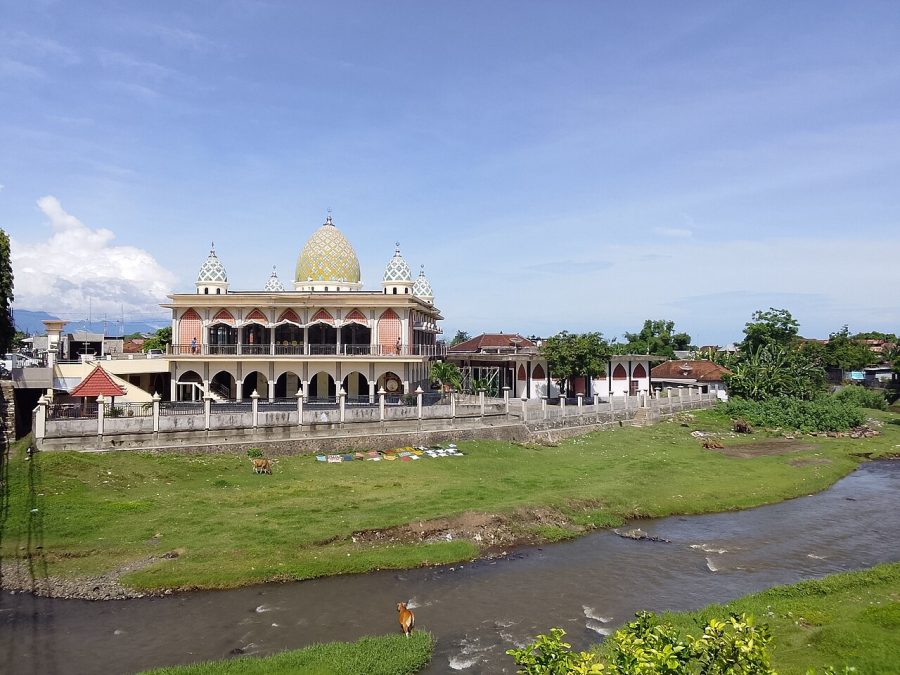
Yes, Canggu is welcoming for Muslim families. Indonesia is the world’s largest Muslim-majority country, and mosques are present throughout the area. Halal food is ubiquitous at local warungs and Indonesian restaurants. Several Middle Eastern and Turkish restaurants in the Berawa area cater specifically to Gulf-region expats. During Ramadan, local communities organize iftar gatherings and the social atmosphere is respectful and inclusive. Our team provides a halal dining guide and mosque directory for newly arriving families.

What is the expat community like in Canggu?

Canggu hosts one of the most diverse and active expat communities in Southeast Asia. The demographic skews younger (25-45) compared to Sanur or Ubud, with a strong mix of digital entrepreneurs, remote workers, creative professionals, and young families. Regular community events include business networking breakfasts, parent meet-ups organized through Canggu Community School, surf clubs, book clubs, and weekend sports leagues. The Gulf-region expat community is growing rapidly, with informal Dubai-Bali social groups meeting regularly. Making friends is effortless here — the shared experience of international relocation creates instant bonds.

Ready to Find Your Canggu Home?

Our relocation specialists know Canggu inside out. Let us find the perfect villa, school, and community for your family’s new chapter in Bali.

EXPLORE CANGGU OPTIONS

💬 Chat with Us
Scroll to Top
Investment Investment Guide Property Buying Guide ROI Data Business Setup Villa Rental Golden Visa Bali vs Dubai
Travel Luxury Travel Guide Flight Guide Private Jet Transit Guide Halal Food & Muslim Life Yacht Charter Wellness Retreat Adventure Activities Corporate Retreat
Living in Bali Expat Guide Best Areas Schools Healthcare Cost of Living Banking Tax Guide Digital Nomad