Living in Ubud — Complete Guide for Dubai Expats

Bali’s Cultural Heart & Wellness Capital

Ubud Bali Tegallalang rice terraces at sunrise - DubaiBali.com

What Is It Like Living in Ubud?

Living in Ubud provides Dubai expat families with Bali’s most culturally rich and wellness-oriented residential experience. Located in Bali’s central highlands surrounded by iconic rice terraces and tropical river valleys, Ubud is home to Green School Bali — the world’s most famous sustainability-focused international school — along with premier wellness destinations including The Yoga Barn, COMO Shambhala Estate, and Fivelements Retreat. Families relocating from Dubai discover a dramatically different lifestyle where children connect with nature daily, organic farm-to-table dining replaces mall food courts, and the cost of living drops 60-75% compared to Gulf cities while quality of life increases measurably. Ubud’s international community spans over 40 nationalities with strong representation from Gulf-region, European, and Australian families, creating a diverse social environment supported by co-working spaces, artists’ studios, and regular cultural events that stimulate both personal and professional growth.

Why Do Dubai Families Choose Ubud for a New Beginning?

Ubud represents the philosophical opposite of Dubai’s glass-and-steel skyline, which is precisely its appeal. Nestled among emerald rice terraces, ancient Hindu temples, and lush tropical valleys in Bali’s central highlands, Ubud offers something Dubai simply cannot — a daily connection with nature, art, and spiritual practice that fundamentally transforms family life. For Dubai expats experiencing burnout from the region’s relentless commercial energy, Ubud provides a genuinely restorative environment where children grow up surrounded by creativity, environmental consciousness, and multicultural community.

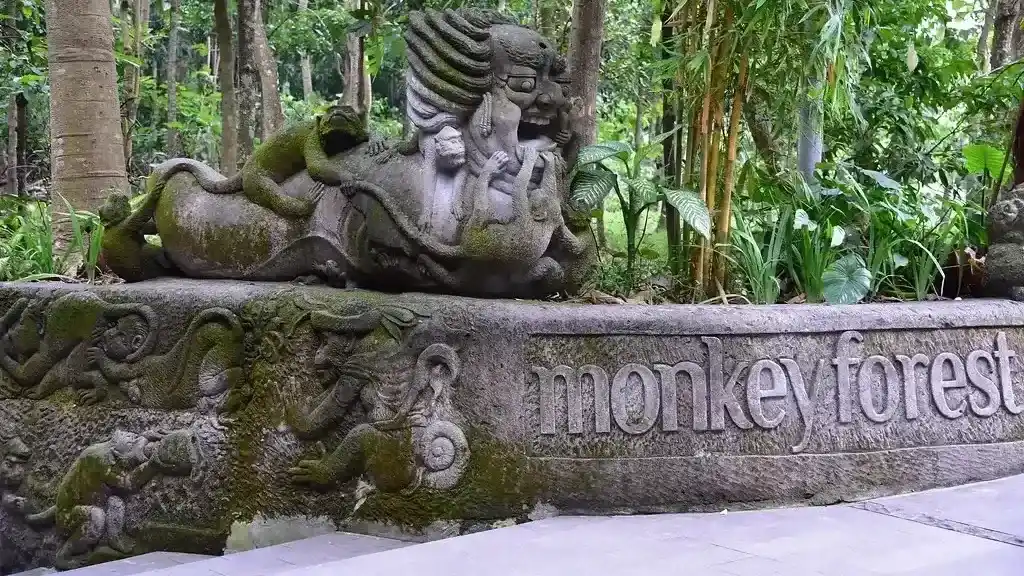
The town has evolved from a quiet artists’ village into a sophisticated global wellness destination without losing its cultural authenticity. Traditional Balinese dance performances occur nightly at the Royal Palace, artisan workshops line the streets of Jalan Hanoman and Jalan Dewi Sita, and organic farm-to-table restaurants have established Ubud as a culinary destination. Yet the Monkey Forest still anchors the town center, rice farmers still tend terraces using ancient subak irrigation systems, and temple ceremonies still halt traffic — a reminder that Bali’s spiritual traditions remain the foundation of daily life.

Green School: The World’s Most Famous Alternative School

Green School Bali is often the primary reason Dubai families choose Ubud specifically. This internationally acclaimed school operates from an extraordinary campus of bamboo structures set within the Ayung River valley, providing education from early years through high school with a curriculum that integrates academic rigor with environmental stewardship, entrepreneurship, and community engagement. Students learn mathematics while designing solar installations, study biology through hands-on permaculture gardens, and develop leadership skills through real social enterprise projects. Tuition ranges from USD 12,000-22,000 per year depending on grade level — significantly less than equivalent premium schools in Dubai. The school attracts families from over 40 nationalities, creating a truly international student body.

What Is the Cost of Living in Ubud Compared to Dubai?

Ubud is significantly more affordable than Seminyak or Canggu, making it Bali’s best value proposition for families seeking premium lifestyle at the lowest cost. A family of four can live exceptionally well for USD 2,500-4,500 per month. Spacious 3-4 bedroom villas surrounded by rice fields with private pools rent for USD 800-2,500 per month. Organic groceries from Ubud’s farmers’ markets and local warungs (family restaurants) cost 30-50% less than coastal areas. A healthy lunch at a quality restaurant averages USD 5-8 per person. Household staff — including full-time cook, housekeeper, and gardener — typically costs USD 250-400 per month combined.

For Dubai families accustomed to spending AED 15,000-25,000 monthly on rent alone, the Ubud lifestyle represents a transformative financial shift. Many families report saving 60-75% on overall living costs while enjoying a higher quality of life — larger homes, healthier food, more family time, and reduced stress. The savings enable investment in experiences: weekly family yoga classes, organic cooking courses, Balinese art workshops, and weekend adventure trips across Bali that would be cost-prohibitive in Dubai’s premium pricing environment.

What Wellness and Cultural Activities Does Ubud Offer?

Ubud is the undisputed wellness capital of Southeast Asia, offering experiences that have attracted visitors since Elizabeth Gilbert’s Eat Pray Love put it on the global map. The Yoga Barn hosts 15+ daily classes across multiple styles (Vinyasa, Yin, Kundalini, Ashtanga) in stunning open-air shalas overlooking jungle canopy. COMO Shambhala Estate provides world-class spa treatments and wellness retreats in a riverside setting. Fivelements Retreat offers Balinese-inspired healing programs combining traditional medicine, sacred arts, and plant-based cuisine.

The cultural immersion in Ubud extends beyond wellness tourism into daily life. Families participate in Balinese Hindu ceremonies with their neighbors, children learn traditional gamelan music and Balinese dance at community centers, and artists’ studios welcome visitors to observe and learn traditional painting, silver jewelry making, wood carving, and batik textile creation. The Ubud Writers and Readers Festival, Spirit Festival, and BaliSpirit Festival bring international thought leaders, musicians, and practitioners to the town annually, creating intellectual stimulation that complements the physical wellness offerings.

How Is the Infrastructure and Connectivity in Ubud?

One concern Dubai expats frequently raise about Ubud is its inland location and perceived remoteness. In practice, Ubud is well-connected: the drive to Ngurah Rai International Airport takes 60-90 minutes via the toll road through Gianyar, and improved road infrastructure has reduced travel times significantly since 2023. High-speed fiber internet from Biznet and IndiHome delivers 50-100 Mbps to most residential areas, supporting remote work seamlessly. Co-working spaces like Hubud (one of Asia’s original digital nomad hubs) and Outpost Ubud provide professional environments with reliable connectivity, meeting rooms, and community networking events.

Healthcare access in Ubud includes several quality clinics for routine care, with BIMC Hospital Ubud providing 24/7 emergency services. For specialist treatment, the hospital network in Denpasar (45 minutes) offers comprehensive care at international standards. Many Dubai families maintain international health insurance policies from Cigna or Allianz that provide coverage across Southeast Asia, including medical evacuation to Singapore if needed for complex procedures.

Frequently Asked Questions

Is Ubud too remote for families used to Dubai city life?

Most families find the transition from Dubai’s urban intensity to Ubud’s nature-centric pace is exactly the change they were seeking. Ubud town center offers quality restaurants, supermarkets, international ATMs, and reliable healthcare. The adjustment period is typically 2-4 weeks, after which families describe a profound shift in daily wellbeing. However, families who value frequent nightlife, beach access, or shopping mall culture may prefer Seminyak or Canggu instead.

Are there mosques and halal facilities in Ubud?

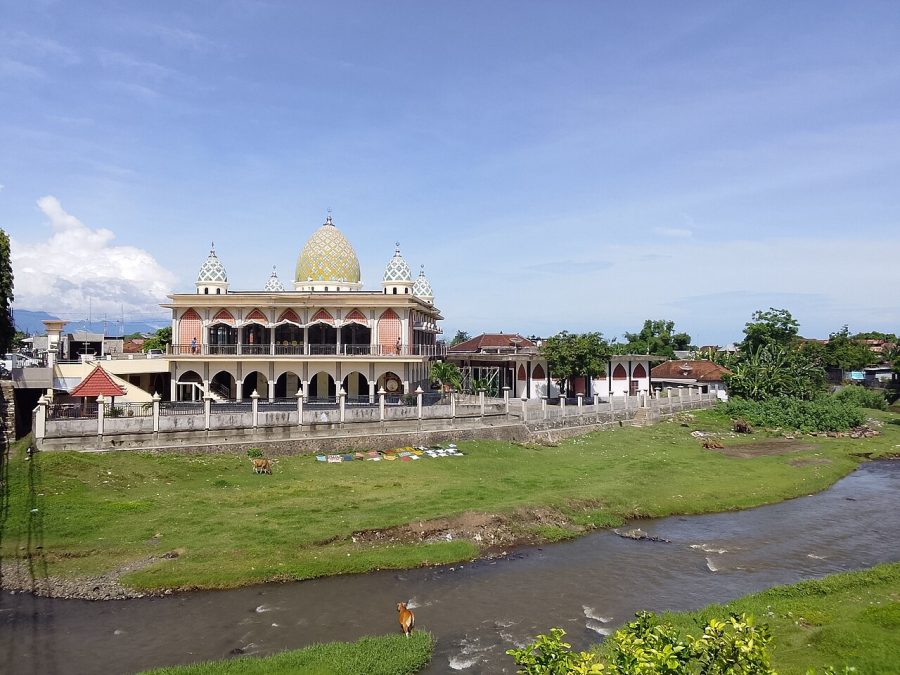
While Ubud is predominantly Hindu Balinese, Indonesia is a Muslim-majority nation and Islamic facilities are accessible. Several mosques serve the local Muslim community in Ubud and surrounding villages. Halal food is widely available at local warungs and the Ubud Market area. Most local Balinese restaurants do not serve pork by default, and many are effectively halal. For families observing strict dietary requirements, our team can identify specific halal-certified establishments and grocery sources.

What types of villas are available in Ubud?

Ubud offers diverse villa styles: traditional Balinese compounds with joglo wooden structures and tropical gardens, modern architectural designs with glass walls overlooking rice terraces, eco-luxury bamboo homes near Green School, and secluded riverside retreats along the Ayung and Campuhan valleys. Most long-term rental villas include 3-4 bedrooms, private pool, outdoor living areas, and staff quarters. Monthly rents range from USD 800 for simple countryside villas to USD 3,500 for premium designer properties with valley views.

How is the weather in Ubud different from coastal Bali?

Ubud sits at approximately 200 meters elevation, resulting in temperatures 2-4 degrees cooler than the coast. Average daytime temperatures are 26-30 degrees Celsius compared to Dubai’s 35-48 degrees in summer. Evenings can feel pleasantly cool at 22-24 degrees — a welcome change for families escaping Dubai’s oppressive heat. Ubud receives more rainfall than coastal areas, particularly from November to March, but rain typically comes in short afternoon bursts followed by clear skies, and the lush greenery it produces is part of the area’s magnificent natural beauty.

Can I work remotely from Ubud?

Ubud is one of the world’s premier digital nomad destinations with excellent remote work infrastructure. Hubud co-working space pioneered Bali’s nomad scene and offers high-speed internet, community events, and professional networking. Outpost Ubud and numerous cafe-workspaces along Jalan Hanoman provide additional options. The timezone (GMT+8) overlaps well with Dubai business hours and is ideal for working with Asian markets. Many Dubai professionals maintain their Gulf-based clients while enjoying Ubud’s lifestyle, finding that the reduced stress and improved wellbeing actually enhances their productivity.

What are weekend activities for families in Ubud?

Weekends in Ubud offer rich family experiences: sunrise trekking on Mount Batur, cycling through Tegallalang rice terraces, visiting the Sacred Monkey Forest, exploring Tirta Empul water temple, swimming in hidden waterfalls like Tegenungan and Tibumana, chocolate-making workshops at Pod Chocolate Factory, and organic farm visits at Bali Pulina. The Ubud Art Market provides weekend craft shopping, and family cooking classes teaching Balinese cuisine are available daily. Many families describe Ubud weekends as more fulfilling than Dubai’s mall-and-brunch routine.

Ready to Find Your Ubud Home?

Our relocation specialists know Ubud inside out. Let us find the perfect villa, school, and community for your family’s new chapter in Bali.

EXPLORE UBUD OPTIONS

💬 Chat with Us
Scroll to Top
Investment Investment Guide Property Buying Guide ROI Data Business Setup Villa Rental Golden Visa Bali vs Dubai
Travel Luxury Travel Guide Flight Guide Private Jet Transit Guide Halal Food & Muslim Life Yacht Charter Wellness Retreat Adventure Activities Corporate Retreat
Living in Bali Expat Guide Best Areas Schools Healthcare Cost of Living Banking Tax Guide Digital Nomad