In this article
For a rewarding experience in 2027, the best Dubai Bali slow travel guide focuses on sustainable practices. Immerse yourself in eco-friendly travel to protect both destinations’ rich cultures and landscapes.
Embrace Dubai Bali Eco Tourism
As 2027 approaches, travel enthusiasts are increasingly drawn to eco-conscious journeys. Dubai and Bali, two distinct yet complementary destinations, offer unique opportunities for sustainable travel. Whether exploring the ultramodern cityscape of Dubai or the serene landscapes of Bali, adopting eco-friendly practices benefits both the environment and local communities.
Dubai, known for its futuristic skyline and luxurious lifestyle, is also making strides in sustainability. The city has implemented several green initiatives, such as the Dubai Clean Energy Strategy 2050, aiming to make the city a global centre of clean energy and green economy. By 2030, Dubai plans to have 25% of its energy come from renewable sources, reducing its carbon footprint significantly. Visitors can explore the city’s sustainable architecture, such as the Al-Safa Park, which features solar-powered facilities and extensive green spaces.
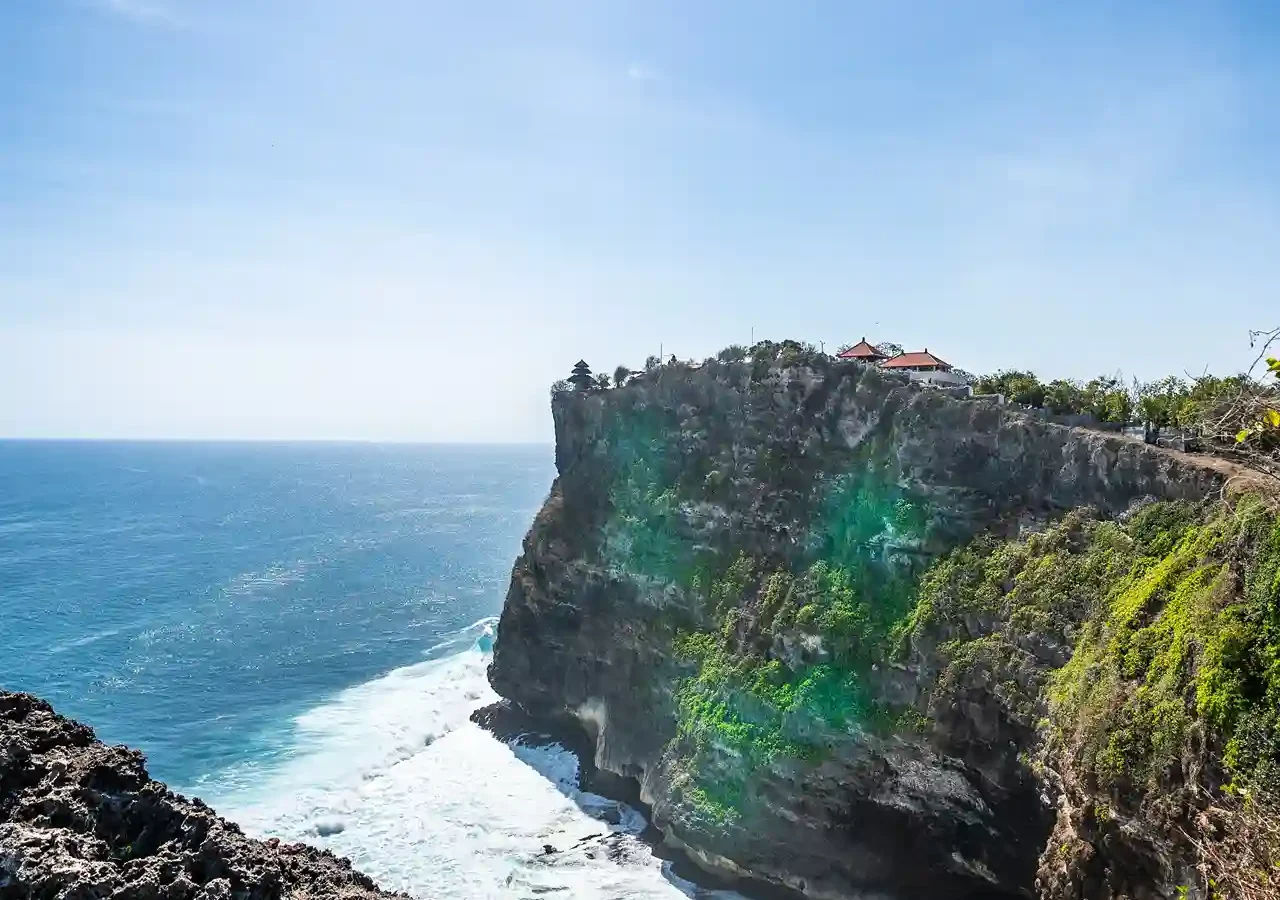
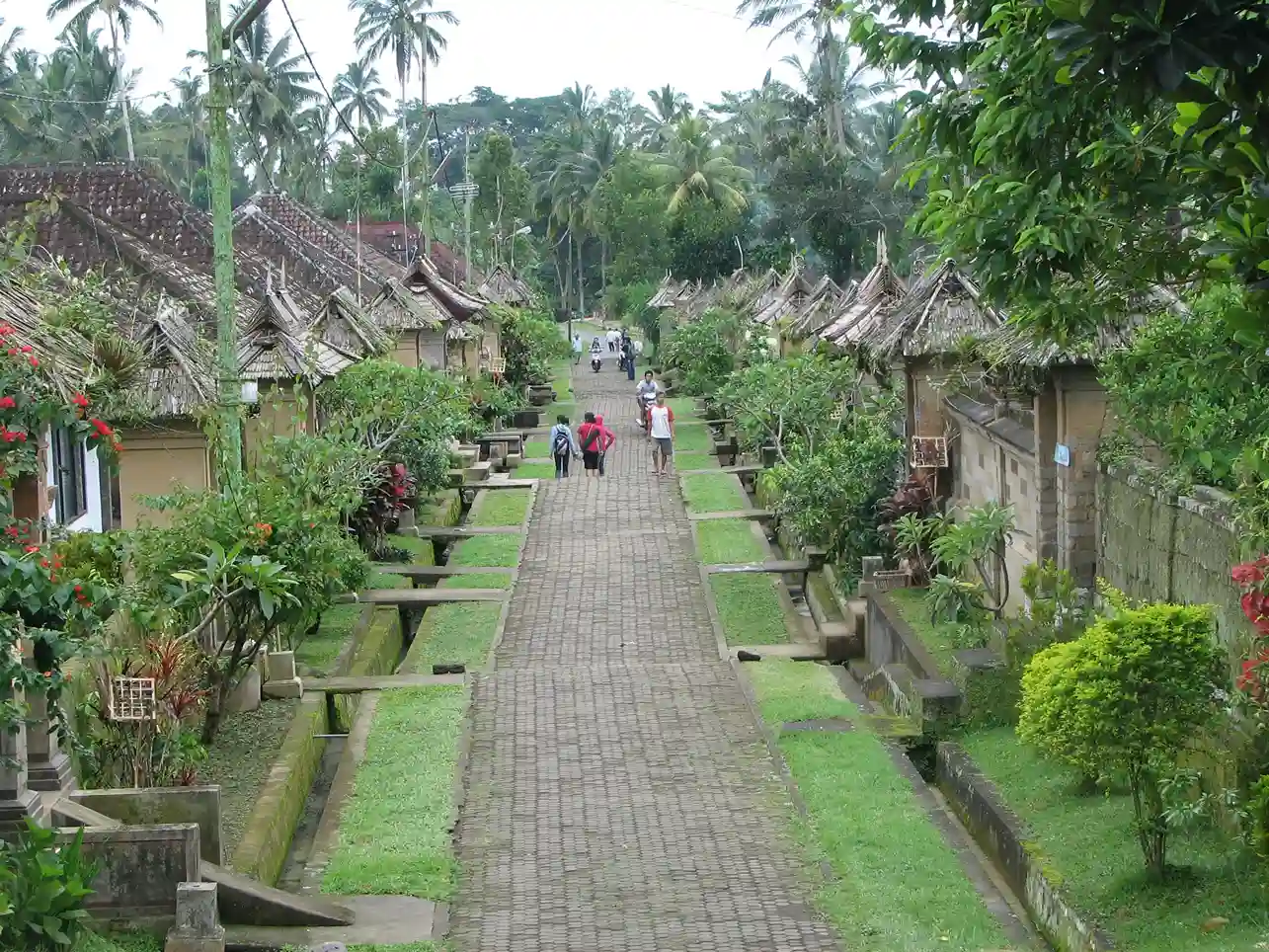
Bali, on the other hand, offers a stark contrast with its lush greenery, traditional villages, and vibrant cultural heritage. The island has embraced sustainable tourism with initiatives that focus on preserving its natural beauty and cultural practices. The Bali Green Province initiative aims to promote eco-friendly practices across the island, from waste management to renewable energy usage. Travellers can engage with local communities through programs that support organic farming and coral reef conservation.
Best Dubai Bali Slow Travel Guide 2027: Key Tips
Slow travel encourages a deeper connection with the places you visit, and both Dubai and Bali have embraced sustainable tourism initiatives. Here are some practical tips for eco-conscious travelers:
- Choose Eco-Friendly Accommodations: Opt for hotels and resorts that have strong sustainability practices. In Dubai, seek lodgings with eco-certifications such as the Green Key label, which signifies adherence to strict environmental standards. In Bali, select eco-resorts like Bambu Indah, which focus on environmental conservation and cultural preservation, using sustainable materials in their construction and offering farm-to-table dining experiences.
- Support Local Economies: Engage with local artisans and purchase handmade crafts. This supports the local economy and reduces the carbon footprint associated with mass-produced goods. In Dubai, visit the Al Fahidi Historical Neighbourhood, where traditional craftsmen offer unique products. In Bali, Ubud is renowned for its art markets, where you can find intricate wood carvings and batik fabrics.
- Minimize Plastic Use: Bring reusable water bottles and bags to cut down on single-use plastics. Both destinations offer plenty of refill stations and encourage plastic reduction. Dubai has implemented a plastic bag levy to discourage plastic use, while Bali has banned single-use plastics since 2019, promoting the use of biodegradable alternatives.
- Choose Sustainable Transport: Use public transport or rent bicycles where possible to reduce your carbon footprint. Dubai’s metro system is one of the most advanced in the world, offering a convenient and eco-friendly way to navigate the city. In Bali, cycling is a popular option, especially in areas like Ubud, where bike paths offer scenic routes through rice paddies and villages.
- Respect Local Cultures: Participate in cultural tours and activities that are designed to educate and preserve local traditions. In Bali, join workshops that focus on traditional crafts or cooking, such as batik painting or Balinese dance classes. In Dubai, cultural tours of the Al Fahidi Historical Neighbourhood provide insights into Emirati heritage and customs.
Dubai Bali Sustainable Travel: A Balanced Approach
Travelers can look forward to eco-friendly activities that highlight the natural and cultural richness of these destinations. In Dubai, explore the desert with a reputable tour operator that prioritizes conservation efforts. Companies like Platinum Heritage offer desert safaris that focus on wildlife conservation and cultural experiences, allowing visitors to learn about the region’s flora and fauna while enjoying traditional Bedouin hospitality.
In Bali, enjoy trekking tours that guide you through lush rice terraces and protect the local flora and fauna. The Jatiluwih Rice Terraces, a UNESCO World Heritage site, offer guided tours that educate visitors on the traditional subak irrigation system, showcasing sustainable agricultural practices. Additionally, participate in local conservation efforts, such as the Bali Sea Turtle Society’s initiatives to protect endangered turtle species.
2027 Note on Sustainable Travel
As we move towards 2027, the emphasis on sustainable travel is more crucial than ever. Both destinations have made significant strides in promoting eco-friendly tourism. The pandemic has encouraged a global shift towards mindful travel, and embracing these changes will ensure the preservation of these unique locations for future generations. The Dubai Tourism Strategy 2025 aims to position the city as a leading destination for sustainable travel, while Bali continues to enhance its eco-tourism offerings through community-led initiatives and environmental education programs.
Internal Links to Enhance Your Journey
For more comprehensive insights into planning your trip, visit our FAQ page where we answer common questions about sustainable travel in these regions. Discover more about the best times to visit, specific eco-friendly accommodations, and local events that celebrate cultural heritage and environmental awareness.
FAQ
How can you travel sustainably in Dubai and Bali?
Travel sustainably by choosing eco-friendly accommodations, supporting local economies, reducing plastic use, using sustainable transport, and respecting local cultures. Engage in activities that promote conservation and cultural understanding.
What are some eco-friendly activities in Dubai and Bali?
In Dubai, desert conservation tours are popular, while Bali offers trekking tours through protected landscapes and cultural workshops. Participating in these activities supports local conservation efforts and provides deeper insights into the natural and cultural heritage of these regions.
Why is slow travel important in 2027?
Slow travel allows for a deeper connection with destinations, promoting sustainable practices that protect the environment and enhance cultural appreciation. By taking the time to engage with local communities and ecosystems, travellers contribute to the preservation of these unique destinations for future generations.